

The start of the strawberry season is often overshadowed by the risk of consuming a portion of pesticides or dangerous soil bacteria along with the juicy berry. Experts warn: the usual quick rinsing of berries in a colander under the tap only creates an illusion of cleanliness.
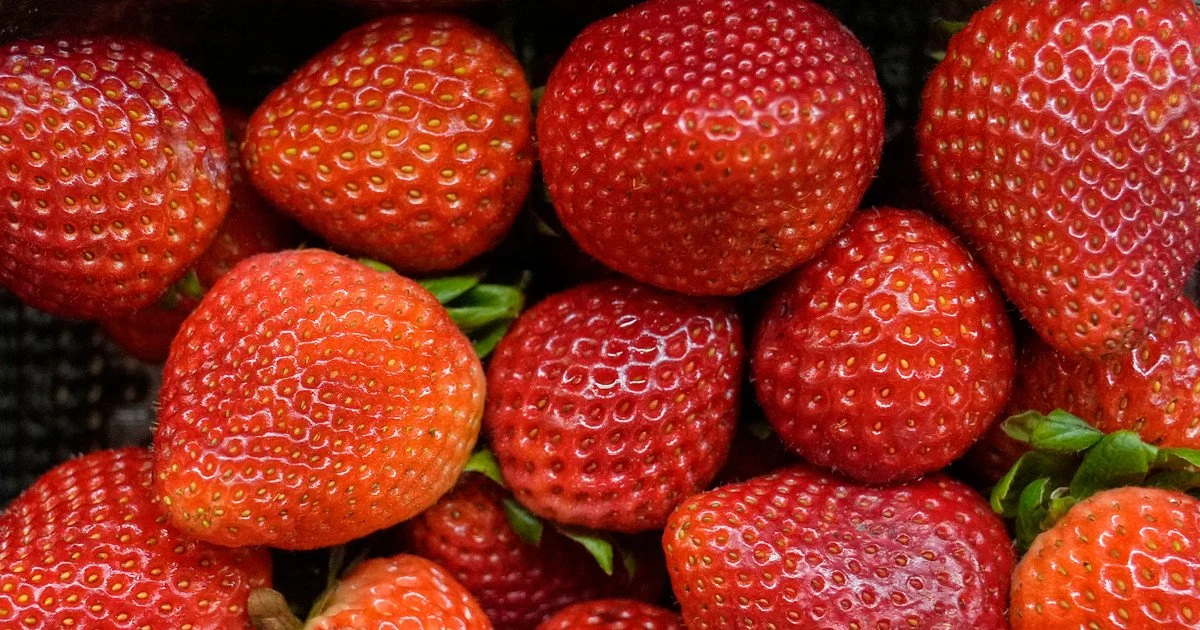
How to safely wash strawberries from soil bacteria / © Associated Press
Most of us do the same thing after returning home: throw the fruit into a bowl, pour it into a colander, and run a strong stream of cold tap water over it. Unfortunately, it turns out that strawberries treated this way not only lose their unique taste but, more importantly, can still be full of invisible chemicals and harmful substances.
How to wash strawberries properly so they retain their natural sugary flavor, writes Pyszności.
The strawberry season is slowly starting, but these red berries are already beckoning in markets and stores with their rich aroma and sweet taste. However, many people make a fundamental mistake when preparing them – they limit themselves to a quick rinse in a colander.
As it turns out, washing strawberries this way does not remove all contaminants, and spring berries can hide more than meets the eye.
Washing Strawberries – Why Rinsing Strawberries in a Colander Isn’t Enough
Many people consider strawberries to be one of the “cleanest” products from the garden. They simply rinse them under running water. Unfortunately, this is a false sense of security. Water removes only some of the dirt – mainly sand and dust – but it does not remove more complex residues like pesticide residues or microorganisms.
The skin of a strawberry is delicate and porous, easily trapping small particles of dirt. Furthermore, a quick rinse in a colander leads to uneven cleaning of the fruit – some of them don’t even come into contact with water long enough. In practice, this means that even after “washing,” we may still consume unwanted substances.
It’s also worth remembering that strawberries often ripen low to the ground, which further increases the risk of contact with soil bacteria. Therefore, just rinsing is definitely not enough.
How to Safely Wash Strawberries – A Homemade Strawberry Cleaning Method
If we truly want to take care of our strawberries, it’s worth changing our habits and using a simple homemade two-step cleaning method. It doesn’t require any special products and significantly increases the safety of fruit consumption.
The first step is a water bath with vinegar. Pour water and vinegar in a 3:1 ratio into a bowl, then soak the strawberries for about 5 minutes. Vinegar helps reduce the presence of bacteria and some microorganisms on the surface of the fruit.
Next, prepare a second solution: water with added baking soda (about 1 teaspoon of baking soda per 1 liter of water). Soak the strawberries in this mixture for a few more minutes. Baking soda helps neutralize some chemical contaminants that may remain on the fruit’s skin.
After completing both baths, the strawberries should be thoroughly rinsed with clean water to remove any solution residue, then gently dried with a paper towel.
Washing Strawberries and Wild Strawberries – Rules to Remember
In addition to the cleaning process itself, small habits also play a significant role in the quality of berries. It’s best to wash strawberries right before consumption. This prevents them from losing their firmness and helps them stay fresh longer.
It’s also a good idea not to remove the stems before washing – they act as a natural barrier, limiting water penetration into the fruits. After washing, strawberries should be stored in the refrigerator and consumed within 2-3 days.
A good indicator of washing quality is the appearance of the water after the soda bath – if it becomes cloudy, it may indicate that the fruits were in contact with more contaminants than expected.
Previously, we wrote about what to fertilize strawberries with for a large and sweet harvest.
Comments Sort: New Old Popular Send
Source: tsn.ua