

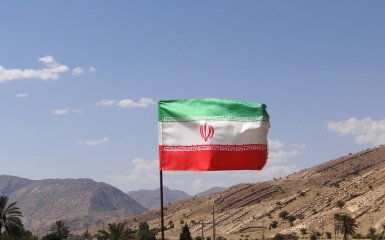
Share Source: The Independent
Iran has indicated its readiness to escalate the conflict by threatening potential attacks on tourist and recreational sites worldwide.
Key Takeaways:
- Iran is preparing to target tourist and entertainment venues globally, signalling its intent for further conflict escalation.
- The United States and Israel are conducting strikes that have resulted in losses to Iran’s military and energy infrastructure.
Iran Threatens the World: What’s Known
This development occurs amidst nearly three weeks of ongoing strikes by the US and Israel, which have led to the demise of several high-ranking Iranian leaders and inflicted significant damage on the nation’s military and energy infrastructure.
A spokesperson for the Iranian military declared that “parks, recreational areas, and tourist destinations” across the globe could become perilous for Tehran’s adversaries. This suggests a possible expansion of attack strategies beyond the Middle East.
Iran’s new supreme leader, Ayatollah Mojtaba Khamenei, also issued a rare statement, emphasizing that the country’s opponents should lose their sense of security. He assumed leadership of the state following the death of his father, Ali Khamenei, who was assassinated early in the war.
Attention is drawn to the fact that Iran has launched attacks against Israel and energy facilities in Gulf nations. These actions took place during religious holidays, including Eid al-Fitr, as well as the Persian New Year (Nowruz) celebrations, which are being observed with a subdued atmosphere this year.
Share
In response, the US is reinforcing its military presence in the region. Specifically, approximately 2,500 Marines and several amphibious ships, including the USS Boxer, are en route to the Middle East.
According to Israeli reports, a substantial portion of Iran’s military infrastructure has been destroyed, and numerous high-ranking officials, including members of internal security forces, have been neutralized as a result of the strikes. Conversely, the Iranian side denies any loss of missile capabilities and asserts the continuation of arms production even during wartime.
Iran has intensified its assaults on energy infrastructure in Gulf countries following Israeli strikes on the South Pars gas field. Notably, drones targeted an oil refinery in Kuwait, sparking a fire. Explosions were also heard in Dubai, where air defense systems intercepted aerial targets. Saudi Arabia reported the downing of several drones, and in Bahrain, debris caused a conflagration.
The hostilities are also extending to other countries in the region: Israel is striking targets in Lebanon and Syria, including those associated with the Hezbollah group.
Available data indicates that over 1,300 individuals have perished in Iran. In Lebanon, more than a million people have been displaced due to the strikes, with the death toll exceeding a thousand. In Israel, at least 15 people have fallen victim to rocket attacks, with several more deaths reported in the West Bank. The demise of at least 13 American soldiers has also been reported.
The conflict’s escalation is already having global economic repercussions, as noted by The Independent. The attacks on energy infrastructure and the risks to shipping in the strategic Strait of Hormuz are heightening the threat of an energy crisis.
Share
Brent crude oil prices have surged by over 47% since the war began, surpassing $100 per barrel. This, in turn, could lead to further price increases for fuel, food, and goods worldwide.